Table of contents
In today’s rapidly evolving digital landscape, modern communication tools are transforming the world of emergency services. These technological advancements are paving the way for quicker response times, improved coordination, and new methods of sharing vital information. Discover how these innovations are reshaping emergency response and why understanding their impact is key for anyone invested in safety and public well-being.
The evolution of emergency communication
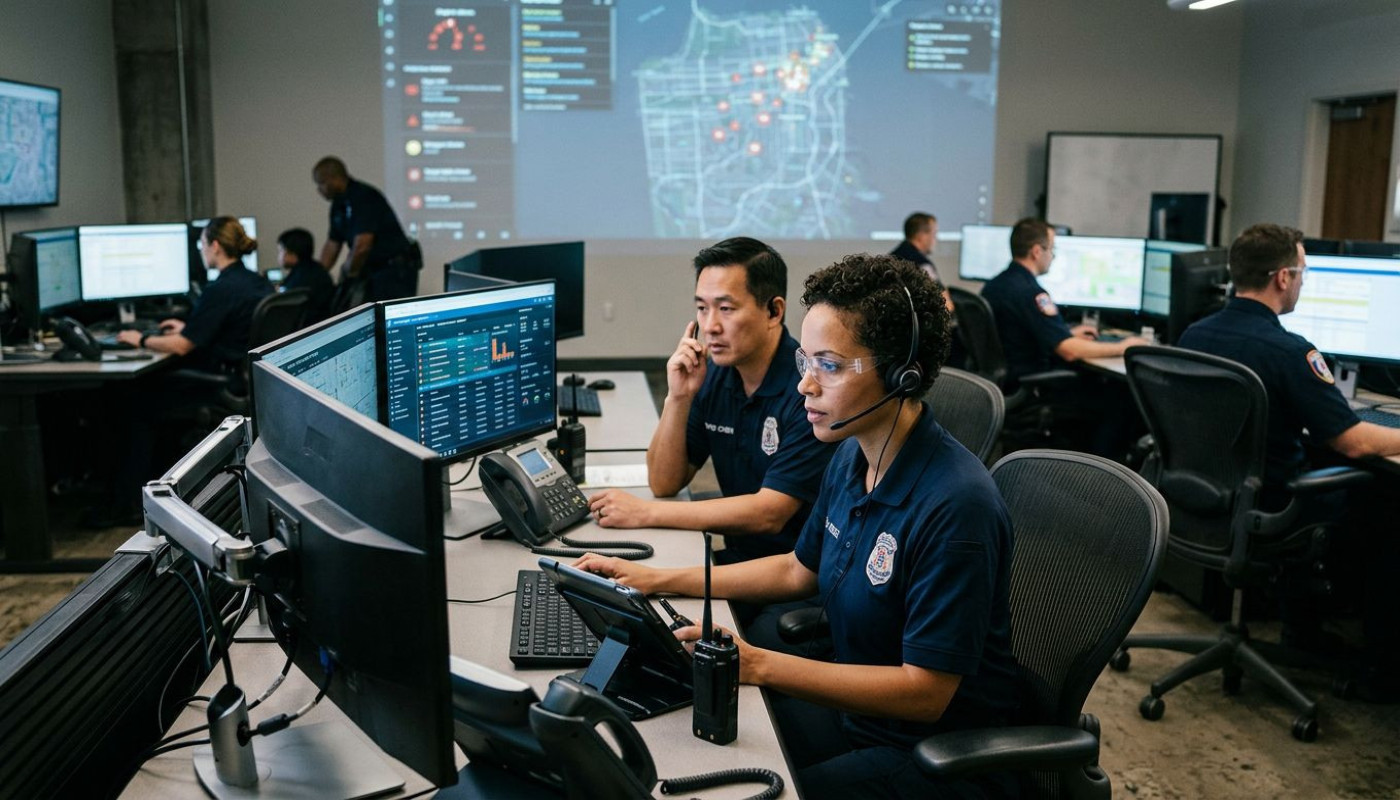
Emergency services have undergone a remarkable transformation in the realm of emergency communication, shifting from basic analog radio systems to sophisticated digital platforms. Early systems, while groundbreaking in their time, often suffered from limitations such as restricted range, single-channel operation, and a lack of data transmission capabilities. With the advancement of interoperable communication systems, emergency responders across different agencies can now coordinate seamlessly, leading to accelerated response times and more accurate deployment of resources. Digital platforms enable a higher degree of information sharing, integrating voice, data, and even live video streams, which fundamentally enhances decision-making and situational awareness in critical moments.
Modern emergency services rely on operational efficiency, and the adoption of advanced communication tools has played a pivotal role in achieving this goal. Inter-agency collaboration is greatly improved, as digital solutions bridge gaps between police, fire, and medical teams. Reliable and secure data exchange allows stakeholders to access real-time updates, allocate manpower more effectively, and minimize the risk of miscommunication. These innovations ensure that command centers and field units remain connected and informed, which is vital for effective crisis management and public safety. Furthermore, interoperable communication systems support scalability, permitting local, regional, and national organizations to integrate their efforts during large-scale emergencies.
As technology continues to evolve, the trend towards integrated digital platforms shows no sign of slowing, promising continual improvements in emergency communication. Agencies invest heavily in training personnel to leverage these tools, fostering a culture of adaptability and preparedness. For those interested in how streamlined communication and modern solutions enhance operational efficiency within emergency services, the resource at casino sites not on GamStop showcases platforms dedicated to supporting professionals in high-stakes environments.
Faster response through real-time updates
Real-time updates have transformed emergency response by equipping teams with the capability to react instantly to evolving situations. Instant messaging platforms facilitate rapid coordination among field personnel and command centers, allowing responders to share critical information without delay. Live location tracking, powered by geospatial information systems, offers precise situational awareness, ensuring emergency units are deployed to exact coordinates in the shortest possible time. Automated alerts notify both responders and the public, streamlining the relay of information such as evacuation orders or hazard warnings. This integration of modern communication tools not only accelerates dispatch and arrival times but also enhances public safety by keeping communities informed and prepared throughout the emergency. The chief operations officer of a national emergency coordination center emphasizes that these advancements in real-time communication significantly improve outcomes, as every second saved can lead to more lives protected and a more effective overall response.
Collaboration across agencies
Modern communication tools significantly enhance agency collaboration by enabling seamless interagency communication between emergency services such as law enforcement, fire departments, and medical teams. Through integrated platforms and real-time data sharing, these tools support a unified command structure, ensuring that all relevant agencies can participate in joint operations with precise information about developing situations. The influence of such technology becomes evident during large-scale incidents where a quick, coordinated response is vital. Interconnected networks, including secure radio channels, digital mapping, and incident management software, allow agencies to synchronize their actions, allocate resources efficiently, and maintain situational awareness. In the context of a unified command structure, a multi-agency emergency response coordinator can oversee the deployment of personnel and assets, ensuring that each agency's expertise is effectively harnessed for the safety and benefit of the public. This high level of interagency communication forms the backbone of successful emergency services, especially during complex scenarios where collaborative decision-making and resource sharing are indispensable for achieving optimal outcomes.
Public engagement and information dissemination
Digital communication platforms have revolutionized public engagement and information dissemination by enabling emergency services to broadcast real-time emergency alerts and guidance to vast populations with unprecedented speed and accuracy. Through mass notification systems, such as mobile alerts, social media updates, and emergency management apps, communities receive immediate warnings about hazards, evacuation procedures, and safety measures. The head of a national emergency public information office often emphasizes the effectiveness of these digital tools in promoting community safety and reducing confusion during critical events. Digital communication enhances the reach and impact of official messages, ensuring that accurate information moves swiftly, even as situations evolve rapidly. The use of these platforms also fosters two-way communication, allowing the public to ask questions or report emergencies, thereby strengthening overall resilience and trust.
In recent years, the integration of mass notification systems into emergency response protocols has significantly improved the way authorities manage crises. These technologies not only support the dissemination of targeted emergency alerts to specific regions or vulnerable populations but also enable data-driven strategies to optimize information flow. Enhanced public engagement through digital communication ensures that guidance is accessible in multiple formats, catering to diverse needs and preferences within the community. As a result, individuals are more likely to follow instructions, share verified updates, and participate in collective safety efforts, creating a more informed and prepared society during emergencies.
Challenges and future directions
Emergency services face a unique set of challenges in adopting and maintaining modern communication technology. The rapid integration of digital tools introduces significant emergency services challenges, particularly regarding cybersecurity. With sensitive data being transmitted during critical incidents, ensuring robust end-to-end encryption is non-negotiable to protect both operational integrity and public privacy. Cybersecurity threats, such as hacking and unauthorized access, require continuous monitoring and updates to security protocols. Infrastructure limitations, including outdated equipment or insufficient network coverage in rural and remote regions, can hinder reliable communication during emergencies. Moreover, the necessity for ongoing training means that personnel must be proficient not only in basic device operation but also in understanding complex digital systems and recognizing cybersecurity risks.
Looking ahead, future advancements in communication technology promise to enhance coordination and response capabilities for emergency services. Improvements in network infrastructure, such as the expansion of 5G and dedicated public safety broadband networks, will support faster, more reliable data transmission in the field. The integration of artificial intelligence and real-time data analytics could enable faster decision-making and resource allocation. However, these developments will also require investment in scalable infrastructure and continuous professional development to keep pace with evolving threats and technologies. As emergency services strive to stay ahead, balancing innovation with security and operational efficiency will be vital for protecting both responders and the communities they serve.
Similar